Article Name

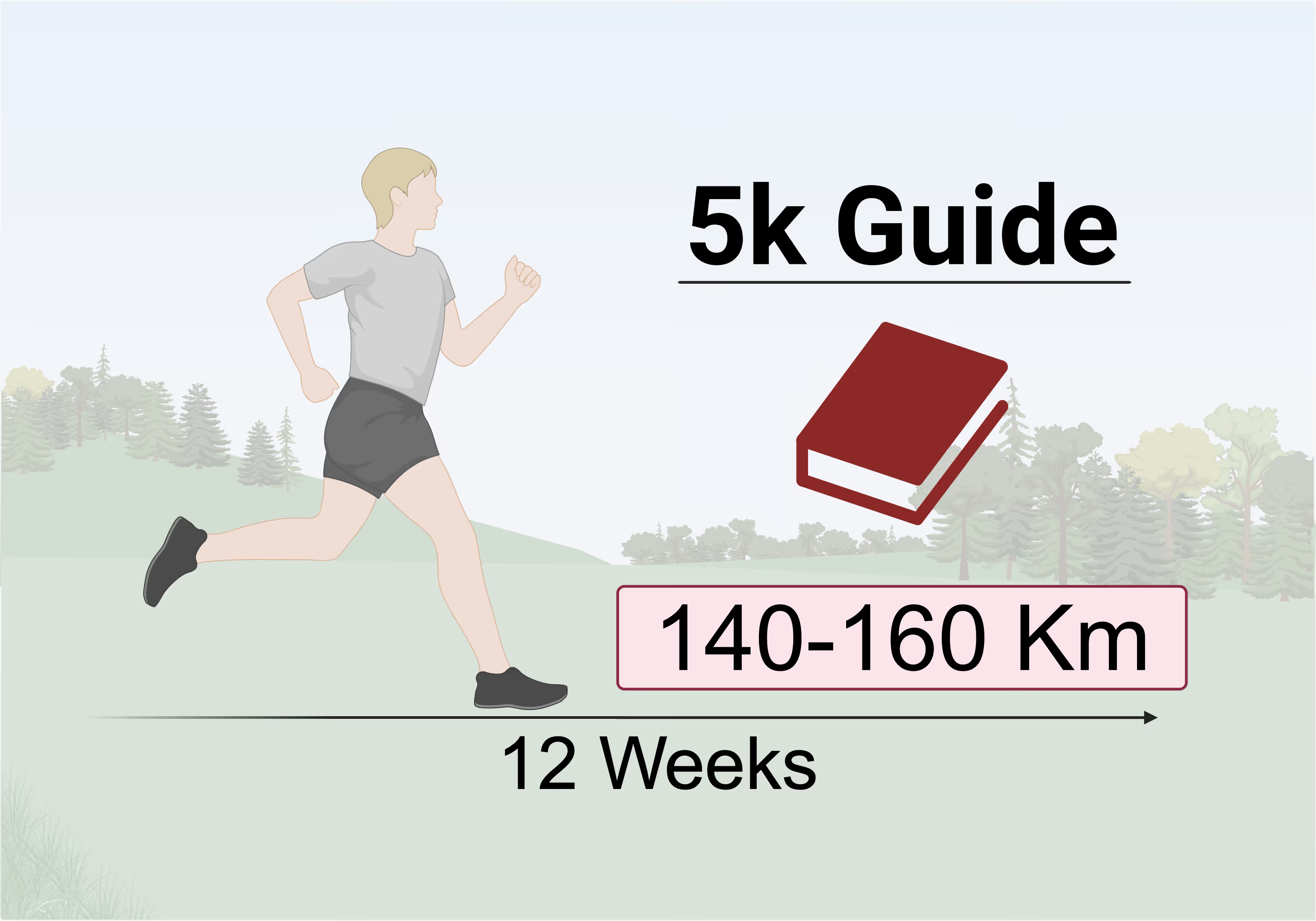
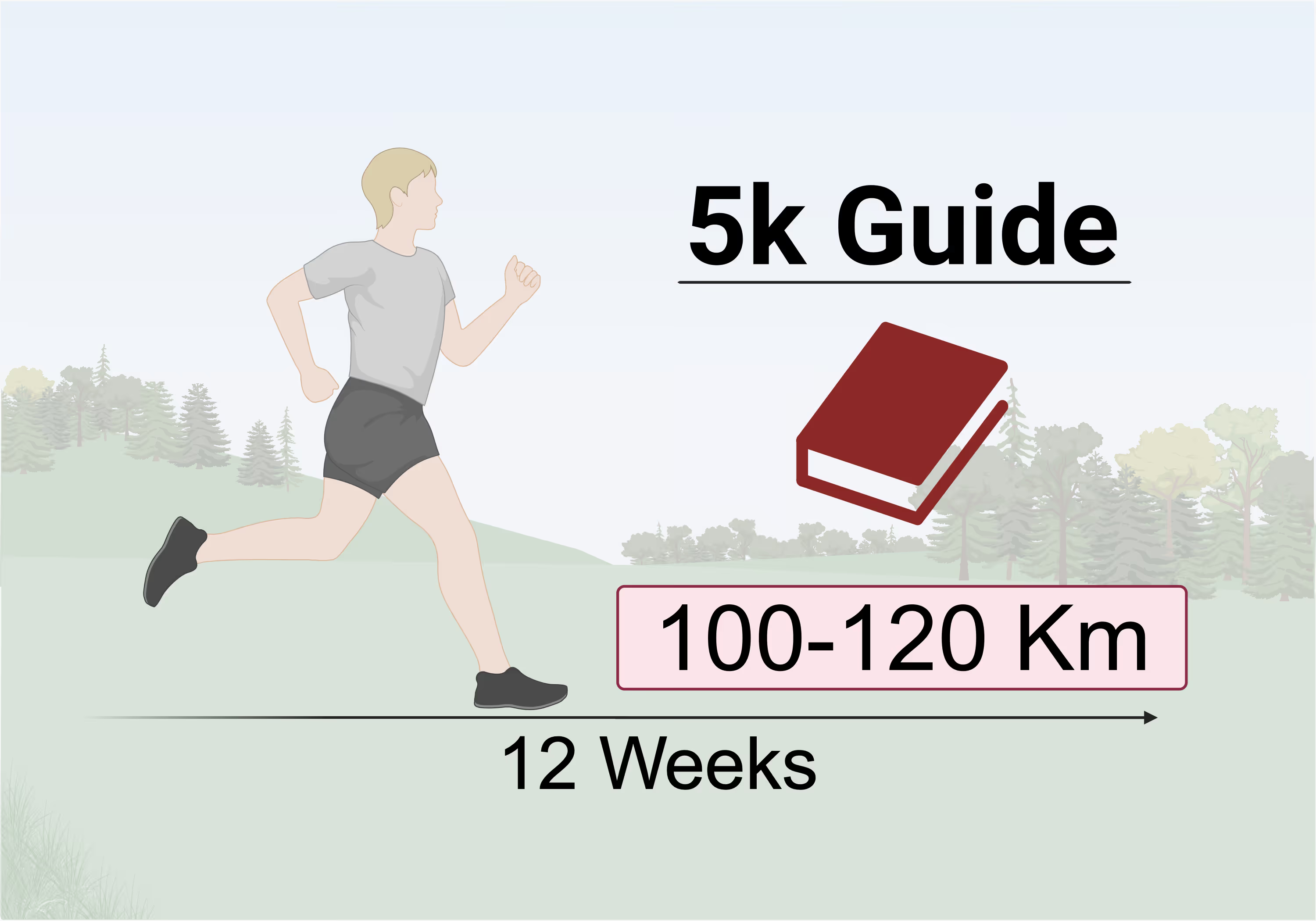
Training Plan - 5k (100-120 km)

June 8, 2026
Running

Training Guide | Overview

The training plan spans 12 weeks, culminating in a 5 km race. It is structured across three distinct phases:

  1. General Endurance Training
  2. Specific Endurance Training
  3. Taper
General Endurance Phase — Weeks 1–9

The general endurance phase is the longest of the three, comprising 9 weeks. Its primary objective is to develop a broad and well-balanced aerobic foundation through a systematic accumulation of training volume and intensity.

The phase is organised into two mesocycles:

  • Mesocycle 1 (Weeks 1–4): Three progressive building weeks, during which training volume and intensity incrementally increase, followed by a recovery week.
  • Mesocycle 2 (Weeks 5–9): Four additional progressive building weeks, again followed by a recovery week, which also marks the conclusion of the general endurance phase.
Specific Endurance Phase — Weeks 10–11

The specific endurance phase lasts 2 weeks. Training intensity is matched to race intensity, and workouts are structured progressively to simulate race-specific demands, with the aim of facilitating a new 5 km personal record.

Taper Phase — Week 12 (Days 1–6)

The taper phase spans 6 days, during which both training volume and intensity are substantially reduced to allow for full physiological recovery ahead of the race.

Managing Missed Training Sessions

General Endurance Phase (Weeks 1–9)

Understanding the weekly training structure is essential for managing session conflicts appropriately. The weekly schedule is built around two key quality sessions:

  • A VO₂max session on Monday
  • A Threshold session on Friday

This structure provides 3 days of recovery between the two quality sessions, and 2 days of recovery following the threshold session before the next VO₂max session on Monday.

If you miss a VO₂max session, you may:

  • Move the session to Tuesday
  • Move the session to Tuesday and replace it with an easy run instead
  • Skip the session entirely

If you miss an easy training session:

  • Reschedule it for any other available day within the same week
Important: Easy sessions cannot be skipped entirely. If rescheduling is not feasible, the zone 2 or zone 3 run for that week must be converted to an easy run to preserve the intended training load distribution.

If you miss a threshold session:

  • Move the session to Saturday

Skipping a threshold session is generally not recommended, as these sessions are central to the physiological adaptations targeted by the plan.

Progressing Beyond the Plan

Upon completing the 12-week plan, it may be repeated. However, it is essential to re-measure your critical speed or training zones before beginning the next cycle, so that all training paces reflect your current fitness level.

It is worth noting that without a corresponding increase in overall training volume, repeated cycles will eventually yield diminishing returns. At that point, it is recommended to increase weekly running volume one level at a time, progressing gradually to avoid overreach.

Share
Copy Article URL

Training Guide | Overview

The training plan spans 12 weeks, culminating in a 5 km race. It is structured across three distinct phases:

  1. General Endurance Training
  2. Specific Endurance Training
  3. Taper
General Endurance Phase — Weeks 1–9

The general endurance phase is the longest of the three, comprising 9 weeks. Its primary objective is to develop a broad and well-balanced aerobic foundation through a systematic accumulation of training volume and intensity.

The phase is organised into two mesocycles:

  • Mesocycle 1 (Weeks 1–4): Three progressive building weeks, during which training volume and intensity incrementally increase, followed by a recovery week.
  • Mesocycle 2 (Weeks 5–9): Four additional progressive building weeks, again followed by a recovery week, which also marks the conclusion of the general endurance phase.
Specific Endurance Phase — Weeks 10–11

The specific endurance phase lasts 2 weeks. Training intensity is matched to race intensity, and workouts are structured progressively to simulate race-specific demands, with the aim of facilitating a new 5 km personal record.

Taper Phase — Week 12 (Days 1–6)

The taper phase spans 6 days, during which both training volume and intensity are substantially reduced to allow for full physiological recovery ahead of the race.

Managing Missed Training Sessions

General Endurance Phase (Weeks 1–9)

Understanding the weekly training structure is essential for managing session conflicts appropriately. The weekly schedule is built around two key quality sessions:

  • A VO₂max session on Monday
  • A Threshold session on Friday

This structure provides 3 days of recovery between the two quality sessions, and 2 days of recovery following the threshold session before the next VO₂max session on Monday.

If you miss a VO₂max session, you may:

  • Move the session to Tuesday
  • Move the session to Tuesday and replace it with an easy run instead
  • Skip the session entirely

If you miss an easy training session:

  • Reschedule it for any other available day within the same week
Important: Easy sessions cannot be skipped entirely. If rescheduling is not feasible, the zone 2 or zone 3 run for that week must be converted to an easy run to preserve the intended training load distribution.

If you miss a threshold session:

  • Move the session to Saturday

Skipping a threshold session is generally not recommended, as these sessions are central to the physiological adaptations targeted by the plan.

Progressing Beyond the Plan

Upon completing the 12-week plan, it may be repeated. However, it is essential to re-measure your critical speed or training zones before beginning the next cycle, so that all training paces reflect your current fitness level.

It is worth noting that without a corresponding increase in overall training volume, repeated cycles will eventually yield diminishing returns. At that point, it is recommended to increase weekly running volume one level at a time, progressing gradually to avoid overreach.

Share
Copy Article URL

Explore The Library

Get access to comprehensive content on performance, nutrition, and health — including current articles, training guides and practical protocols.